Get a ready-made website stocked with thousands of Abayas & Hijabs. No coding, no inventory, no hassle — just focus on your brand and start selling instantly!
Published on March 11, 2026
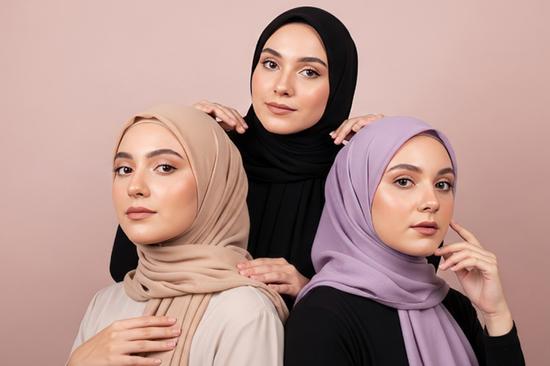
The success of a modest fashion store often depends on the quality and reliability of its suppliers. If you plan to sell abaya wholesale collections, selecting the right supplier is one of the most important decisions you will make. A good supplier ensures consistent product quality, competitive prices, and timely deliveries helping your business grow and satisfy customers.
In this guide, we will explore the key factors retailers should consider when choosing the right abaya wholesale supplier for their store.
Quality should always be your top priority when selecting a supplier. The fabric used in abayas directly affects comfort, durability, and overall appearance. Popular fabrics include Nida, chiffon, crepe, jersey, and satin, each suitable for different styles and occasions.
Before placing a large order, request fabric samples from the supplier. Testing samples allows you to check softness, breathability, color quality, and stitching. Many professional buyers perform simple wash and stretch tests to ensure the fabric maintains its shape and quality after use.
High-quality materials lead to satisfied customers and fewer product returns.
A reliable supplier should have a strong reputation in the market. Before partnering with a wholesale supplier, check:
Customer reviews and testimonials
Years of experience in the abaya industry
Client references from other retailers
Ratings on B2B marketplaces
Suppliers with proven experience and positive feedback are more likely to deliver consistent products and dependable service. Experienced vendors often understand market trends and customer expectations better.
Fashion trends change frequently, especially in modest fashion. A good abaya wholesale supplier should offer a wide variety of designs such as:
Traditional black abayas
Open abayas and kimono styles
Embroidered or embellished abayas
Casual everyday abayas
Occasion or luxury abayas
Retailers benefit from suppliers who regularly update their collections with trending styles and seasonal designs. This helps your store stay competitive and attractive to customers.
Minimum Order Quantity�is a key factor for boutique owners and small retailers. Some suppliers require very large orders, which may not be suitable for startups.
An ideal supplier should offer flexible MOQ options that allow you to:
Test new styles before investing heavily
Manage inventory efficiently
Reduce financial risk
Some suppliers allow smaller orders for new businesses and offer discounts for larger bulk purchases.
Price plays a major role in wholesale purchasing, but the cheapest option is not always the best. Instead of focusing only on low prices, evaluate the overall value offered by the supplier.
Compare:
Fabric quality
Stitching and finishing
Packaging and shipping costs
Bulk discounts
Comparing several suppliers helps you find the best balance between quality and affordability. Experts recommend requesting quotes from multiple suppliers before making a final decision.
Late deliveries can disrupt your business and lead to lost sales. Reliable suppliers maintain consistent stock levels and ship orders on time.
Before finalizing a supplier, confirm:
Average production time
Shipping methods and delivery timelines
International shipping availability
Tracking and logistics support
Dependable delivery ensures you never run out of popular abaya styles during peak seasons like Ramadan and Eid.
Good communication is essential in wholesale partnerships. A professional supplier should respond quickly to inquiries and provide clear information about products, pricing, and delivery.
Strong communication helps avoid problems such as:
Wrong designs or sizes
Shipping delays
Hidden costs
Suppliers who maintain transparent communication and detailed agreements reduce the risk of misunderstandings.
If you plan to sell internationally, make sure your supplier follows recognized quality standards. Some manufacturers provide certifications such as ISO quality management or textile safety standards, ensuring consistent production and safe materials.
These certifications can improve your brand credibility and help build customer trust.
Never place a large wholesale order without testing samples first. Evaluating samples allows you to check:
Fabric durability
Stitching quality
Sizing accuracy
Overall finishing
Sample testing helps ensure the supplier can maintain consistent quality across large orders.
Choosing the right abaya wholesale supplier is essential for the success of your fashion store. A reliable supplier provides high-quality fabrics, trendy designs, competitive prices, and dependable delivery. By carefully evaluating suppliers, comparing options, and testing samples, retailers can build strong partnerships that support long-term business growth.
Whether you run a boutique, online store, or fashion brand, investing time in selecting the right abaya wholesale partner will help you maintain product quality and attract loyal customers.

Published on June 11, 2025
The global demand for modest fashion is rising rapidly, and

Published on January 13, 2024
Wholesale abaya suppliers f...
Read More
Published on January 08, 2024
In the heart of the fashion world, where trends evolve and styles r...
Read More
Published on May 19, 2025
In the ever-evolving realm of fashion, Abaya Wholesale emerges as a...
Read More

 Home
Home Categories
  Categories