Get a ready-made website stocked with thousands of Abayas & Hijabs. No coding, no inventory, no hassle — just focus on your brand and start selling instantly!
Published on February 25, 2026
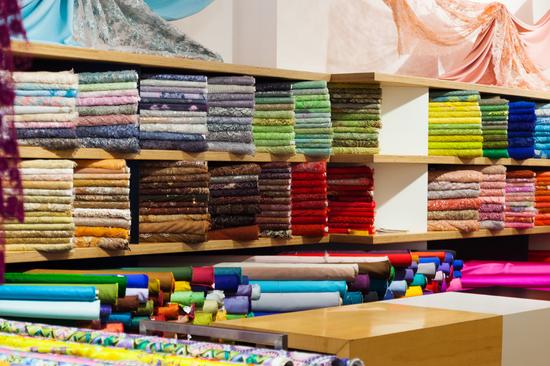
The global abaya market continues to grow rapidly in 2026, driven by increasing demand for modest fashion, e-commerce expansion, and international trade opportunities. From traditional black abayas to modern embroidered, luxury, and customized designs, retailers are actively searching for reliable abaya wholesale suppliers who offer competitive pricing, consistent quality, and flexible minimum order quantities.
If you are a retailer, boutique owner, online seller, or fashion startup, choosing the right abaya wholesale supplier can define your business success. In this blog, we will explore what makes a top abaya wholesale supplier in 2026 and how to select the best one for your needs.
The modest fashion industry has evolved into a multi-billion-dollar global market. Abayas are no longer limited to traditional styles; todays customers demand:
Luxury embroidered designs
Minimalist modern cuts
Open abayas and kimono styles
Custom branding options
Premium fabrics like Nidha, Chiffon, and Zoom
With the rise of social media marketing and global shipping, retailers from the UK, USA, Europe, and Southeast Asia are sourcing abayas directly from wholesale manufacturers in the Middle East and Asia.
This has made wholesale suppliers more competitive, professional, and quality-focused than ever before.
Not all suppliers are equal. The top abaya wholesale suppliers in 2026 share several important characteristics:
Premium abaya suppliers offer fabrics such as:
Korean Nidha
Dubai Zoom
Chiffon
Crepe
Satin blends
Quality fabric ensures durability, comfort, and a luxurious feel�all critical for customer satisfaction and repeat purchases.
The best suppliers offer:
Tiered pricing for bulk orders
Low MOQs for startups
Factory-direct pricing without middlemen
Flexible shipping solutions
Retailers typically look for profit margins between 30%to60%, so pricing structure plays a major role.
In 2026, branding is everything. Leading abaya manufacturers now provide:
Custom logo labeling
Custom packaging
Exclusive designs
Size customization
Color variations
Private label services allow boutique owners to build strong brand identity.
A professional abaya factory can:
Handle bulk orders efficiently
Maintain consistent stitching quality
Deliver on time
Scale production during peak seasons (Ramadan, Eid, wedding seasons)
Production delays can harm your business reputation, so reliability is essential.
Top suppliers now serve global clients. They provide:
Export documentation
Secure packaging
Worldwide courier partnerships
Transparent shipping timelines
This makes it easier for international buyers to import without complications.
When sourcing abayas in 2026, you will generally find three types of suppliers:
These suppliers own production units. Benefits include:
Lower prices
Full customization
Better quality control
Larger bulk capacity
This is ideal for retailers and brands looking to scale.
They buy from factories and resell in bulk. Benefits include:
Smaller MOQs
Ready stock availability
Faster delivery
However, pricing may be slightly higher than factory-direct.
Digital B2B platforms now offer wholesale purchasing with:
Ready catalogs
Easy ordering systems
Transparent pricing
These are ideal for small businesses starting out.
Before selecting your supplier, consider the following steps:
Always order product samples to check:
Fabric quality
Stitching finish
Sizing accuracy
Embroidery detailing
Never rely only on photos.
Different suppliers offer different minimum order quantities. If you are a startup, look for low MOQ options before committing to bulk.
Look for:
Customer testimonials
Social media presence
Business registration details
Years of experience
Reliable suppliers are transparent and professional.
Strong communication ensures smooth transactions. Professional suppliers respond quickly, clarify production timelines, and provide updates regularly.
To stay competitive, retailers must source trending styles such as:
Minimalist open abayas
Hand-embroidered luxury abayas
Two-piece abaya sets
Kimono-style abayas
Pastel and earthy tone collections
Occasion and bridal abayas
Suppliers who keep up with fashion trends help retailers stay ahead in the market.
Partnering directly with a reliable abaya factory offers long-term benefits:
Higher profit margins
Better quality consistency
Faster production cycles
Strong business relationships
Custom design development
In 2026, many retailers are shifting from random wholesalers to long-term manufacturing partnerships.
While the market is profitable, it also comes with challenges:
Fabric price fluctuations
Shipping delays
Inconsistent sizing
Design copying issues
Quality variation between batches
To minimize risks, always maintain clear contracts, approved samples, and documented agreements.
The abaya wholesale industry in 2026 is highly digital and global. We are seeing:
AI-based fashion trend forecasting
Online B2B ordering systems
Sustainable fabric demand
Ethical manufacturing focus
Faster global logistics
Retailers who adapt to these changes will grow faster and build stronger brands.
Finding the right abaya wholesale supplier in 2026 is not just about low prices its about quality, reliability, customization, and long-term partnership.
Whether you are launching a new boutique, scaling an online modest fashion store, or expanding internationally, working with a trusted abaya manufacturer or wholesale supplier can transform your business.
Published on May 06, 2026
The global fashion industry is constantly evolving, shaped by cultu...
Read More
Published on December 27, 2023
In the dynamic realm of modest fashion, wholesale abayas have emerg...
Read More
Published on November 30, 2023
In the dynamic world of fashion, where trends evolve, and styles ch...
Read More
Published on January 13, 2024
At Wholesale Modesty, we re...
Read More

 Home
Home Categories
  Categories